


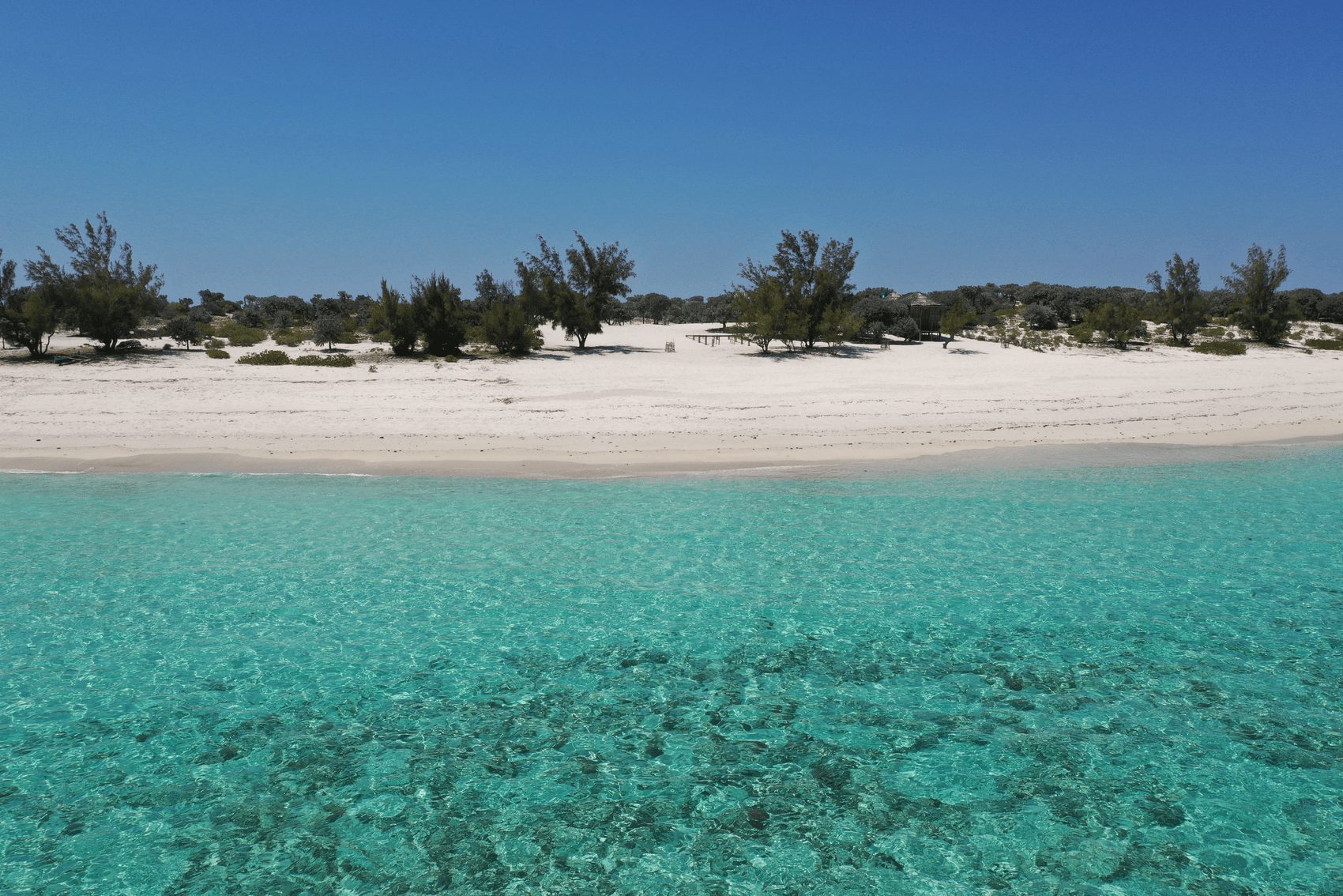
If you’re a fan of stunning landscapes and wildlife, read on to find out why you should have the Tsimanampetsotsa National Park on your checklist when planning your next holiday.
Overview
Considered as one of the most fascinating reserves in the world for its unique biodiversity and mysterious landscape, the Tsimanampetsotsa National Park is no doubt a nature lover’s dream.
The park is located in the region of Atsimo-Andrefana, along Madagascar’s southwestern coast. It is also known as the Tsimanampetsotsa Nature Reserve, or simply “Tsimanampetsotse” among locals.
While it was initially regarded as a protected area in 1927, this reserve was recognized as a full-fledged national park in 1966 because of its distinctively diverse flora and fauna.
Having an overall land area of 432 square kilometers, mostly consisting of sandy soil, limestone and saline flats that stretch for miles and miles, this reserve may look extremely inhospitable at first glance.
But the thing is the Tsimanampetsotsa National Park is a refuge for more than 70 species of birds, lemurs, reptiles, insects, mammals and plants that can only be found in the island country.
Apart from being a key nesting ground for the Malagasy kestrel (Falco newtoni), the Crested drongo (Dicrurus forficatus), the Malagasy Inseparable (Agapornis canus) and the Crested coua (Coua cristata).
This national park also has scattered populations of the Ring-tailed lemur (Lemur catta) as well as the Giant-striped mongoose (Galidictis grandidieri), which only lives in the spiny Didlerea-Euphorbia thickets of the reserve.
These animals are viewed as fady, or sacred, by the local people who believe that the spirits of their deceased ancestors and loved ones continue to live in them.
This national park is named after Lake Tsimanampetsotsa, a protected body of water situated in the middle of its territory, that is deemed as sacred by the locals.
The lake is not just observed as a place of worship, but also as an important site for various tribal rituals and ceremonies. Its name directly translates to “the lake where no dolphins live.”
Classified by scientists as having a 90% endemic biodiversity rate, the park also features a few of the rarest plants on Earth such as the Achyrocalyx gossypinus, the Ecbolium humbertii, the Talinella microphylla, the Secamone pedicellaris, and the Calodecaryia pauciflora.
These plants are so rare that they can only be found in the Tsimanampetsotsa National Park’s plateau, dry forests as well its surrounding lake area.
Must-See Sights
The Banyan Tree Sinkhole
Approximately 25-meters in circumference, the Banyan Tree Sinkhole features an ancient grove of Banyan trees (Ficus benghalensis) that are seemingly guarding a pool of water underneath.
Don’t let their appearance deceive you, though. While these Banyan trees may look rather thin and gangly, they are believed to be 2,000-years old, and play a crucial role in preventing flooding and soil erosion in the area by keeping water levels in check.
Local oral history relates that the sinkhole was formed after a cave collapsed, possibly due to an earthquake, and left a depression in the ground that had a depth of 12 meters.
Besides opening up a shaft that eventually became a watering hole for the Tsimanampetsotsa National Park’s animal denizens, the depression also uncovered collections of fossils that are believed to be from extinct and prehistoric fauna that used to live in and around the reserve.
The “Grandmother” Fony Baobab
There is a Fony baobab tree (Adansonia rubrostipa) in the Tsimanampetsotsa National Park that’s so old, it has been nicknamed the “Grandmother.”
What’s really interesting is that when botanists conducted a study on the ancient baobab using radiocarbon dating technology, they discovered that the “Grandmother” was actually a “polygamous baobab” or a fusion of three (3) separate trees of different ages.
The youngest of these trees is estimated at being around 200-years old, the middle tree at 1,000-years old, and the oldest at 1,600-years old. The locals also refer to the ancient baobab tree as the “Mother of the Forest.”
Mitoho Grotto
The Mitoho Grotto is a limestone cave located in the Tsimanampetsotsa National Park that houses a permanent lake.
Apart from teeming with tiny, pink-white blind cave fish (Typhleotris madagascariensis), the lake inside the grotto also serves as a water source for colonies of Mascarene swallows (Phedina borbonica).
Moreover, the Mitoho Grotto is also known as one of the most significant paleontological sites in Madagascar for the extensive list of Jurassic-era fossils and other remains found inside it.
When the French botanist Joseph Marie Henry Alfred Perrier de la Bâthie (August 11, 1873 – October 2, 1958) conducted an examination of the grotto in the 1930’s, he did not just discover bone fragments of giant lemurs (Megaladapis edwardsi) and giant tortoises, but also eggshell particles of elephant birds (Aepyornithidae).
In addition, the members of the local Antambahoka tribe believe that the grotto is inhabited by invisible people that serve as its guardians. There are small shrines located in the entrance and sides of the cave where offerings to these entities can be placed.
According to local legend, leaving offerings to these invisible beings increases good luck and keeps untoward incidents from happening as you explore the Tsimanampetsotsa National Park.
Lake Tsimanampetsotsa
Set right in the middle of the national park, Lake Tsimanampetsotsa stretches for about 20-kilometers and can either radiate a deep green or bright yellow hue depending on the weather and the time of the day.
While the lake is generally shallow and contains a very high level of calcium sulfate that prevents fish from living in it, this colorful body of water is a haven for more than a hundred bird species, particularly various types of couas, pink flamingos, dwarf flamingos as well as other wading birds.
Unlike most of the Tsimanampetsotsa National Park’s landscape that is dry and sandy, the lake is covered with lots of vegetation and is bustling with animal activity, which gives it the appearance of an oasis in the middle of the desert.
Activities You Should Engage In
The Tsimanampetsotsa National Park is one of the go-to places in Madagascar for adventurers who are looking to rough it out in the trails. What’s really amazing about the trails of the reserve is that they are divided into individual circuits that offer different experiences for visitors and tourists.
The Andalamaike Circuit
Also referred to as the “botanical trail,” the Andalamaike Circuit features the largest concentration of plants compared to its counterparts.
The trail begins by passing through the Tsimanampetsotsa National Park’s spiny forest. This unique area is filled with silver thickets (Euphorbia stenoclada), spurges (Euphorbiaceae), stone plants, octopus trees (Didierea madagascariensis), cacti, and several varieties of Didiereaceae.
As you go along, you will encounter lots of baobab trees, some of them more than a hundred years old, including the “Grandmother” Fony Baobab, which is estimated to be 1,600-years old already.
You can also see lots of radiated tortoises and land birds in the area, either basking in the sun or looking for food in the shrubs.
The Emande Circuit
The most prominent feature of the Emande Circuit is its scattered collection of fossil remains that can be found in the area.
The locals call them “giant lemur tombs” because most of the bones that were discovered in the expanse of the trail belonged to gorilla-sized lemurs that used to roam Madagascar in the ancient days.
“Emande” means “irrigation” in Malagasy and this circuit is abundant in small waterways and feeder streams that help keep Lake Tsimanampetsotsa’s water levels sufficient to sustain the birds and other animals that call it home.
The Andaka Circuit
The Andaka Circuit is also known as “the bird-watching trail” because it basically leads up to the Lake Tsimanampetsotsa’s banks.
Although the lake is always filled with flamingos, couas and other wading birds, the best time to check them out is between 8 AM to 10 AM when they are the most active and also very noisy.
The combination of colors from the surrounding vegetation, the assortment of birds and the lake’s natural hues is always mesmorizing.
Tsiamaso Circuit
The Tsiamaso Circuit is the trail to go for if you’re into caves and won’t mind having a bit of spelunking as you go along. The highlight of this circuit is the Mitoho Grotto and its internal lake filled with blind fish.
However, there are also a number of other caves to explore along the Tsiamaso Circuit that feature interesting stalagmites and stalactites, as well as several unusual rock formations.
Important Things to Remember When Hiking the Circuits
Regardless of the circuit you’re going to travel on, the ideal time to start your hike when you visit the Tsimanampetsotsa National Park is in the early morning between 5 AM to 6 AM.
Besides having the chance to see most of the reserve’s animal residents in an active mood, you are also going to be able to cover a lot of distance while keeping clear of the sun’s rays, which are heightened by the lack of shade in the area. The park can be scorching between 10 AM to 1:30 PM.
For clothing, make sure you wear long sleeves and pants, since most of the plants in the reserve can give you a sting if you’re not very careful. Having durable hiking shoes is also a must since the terrain can be anywhere from sandy to rocky in most parts of the trail.
Wearing a cap and putting on some sun protection will also make your hike more enjoyable. Also be sure to bring at least a liter of water per person when exploring the park’s trails. Munching on trail mix during your hike is also recommended to keep your energy levels up.
The best time to visit the Tsimanampetsotsa National Park is between the months of May and December when the weather is generally sunny. Apart from allowing you to explore the circuits, you will also maximize your chances of seeing the reserve’s animal denizens in action.
Sure it may still get cloudy and you may still experience some rain showers here and there, but they won’t be as strong and lingering like it is during Madagascar’s wet season.
How to Get There
The most straightforward way of getting to the Tsimanampetsotsa National Park is by catching a flight to the city of Toliara. While most of the mid-level hotels in the area can already arrange trips to the reserve, you can also hire a car to drive up to the entrance of the national park.
The trip from Toliara to the entrance of the reserve can take up to a couple of hours, depending on the weather and the condition of the road. Make sure you travel on Route Nationales (RN) 10 to Faux Cap, since it directly passes through the reserve.
Where to Stay
The nearest accommodations you can go for when visiting the Tsimanampetsotsa National Park are located in Anakao, a coastal fishing town located 35 kilometers south of Toliara.
Based on tourist reviews, the Anakao Ocean Lodge and the Hotel Safari Vezo are the two best options available if you’re looking to experience comfort combined with the unique brand of Malagasy hospitality.
The Anakao Ocean Lodge
Facing the island of Nosy Ve, the Anakao Ocean Lodge is set right on the shores of the Andovoke Bay and offers standard, family and suite bungalows.
Each bungalow also features amenities like free Wi-Fi, air- conditioning as well as an electronic safety deposit box to store your belongings. Most bungalows have a mini-bar. The hotel also has a restaurant that can cook up Malagasy and international favorites.
While the Anakao Ocean Lodge is a bit pricier compared to its counterparts, guests who have already stayed in this hotel relate that the few extra bucks are worth it.
You can reach out to Anakao Ocean Lodge at:
- Tel: + 261 20 94 919 57
- Address: Andovoke Bay, Anakao 602, Anakao, Madagascar
- Site: anakaooceanlodge.com/en/
Hotel Safari Vezo
Being in business for over two decades already, Hotel Safari Vezo is nestled on the edge of Andovoke Bay’s lagoon and offers stunning views of the ocean and the island of Nosy Ve.
Offering classic, superior and suite bungalows, this hotel also provides guests with modern amenities and creature comforts such as free Wi-Fi, a laundry service, and a bar.
Hotel Safari Vezo’s restaurant also prepares various Malagasy delicacies, particularly grilled seafood specialties.
You can reach out to Hotel Safari Vezo at:
- Tel: +261 (0) 32 07 602 52 or +261 (0) 34 07 602 52 or +261 (0) 20 94 413 81 (Toliara)
- Address: Anakao, Madagascar
- Site: safari-vezo.com
- Email: safarivezo@moov.mg